
Varicose vein treatment in Oman has advanced dramatically in recent years, giving patients safer, faster, and far more effective solutions than ever before. As awareness grows across the country, more individuals are beginning to understand that varicose veins are not just a cosmetic concern but a medical condition that requires timely evaluation and proper management. The demand for reliable, minimally invasive procedures has increased, making Varicose vein treatment in Oman an essential part of modern vascular healthcare.
In a country with a warm climate and a population exposed to long working hours, prolonged standing, and lifestyle factors that impact vascular health, the need for accessible and advanced Varicose vein treatment in Oman is more critical than ever. Many patients delay seeking treatment because they mistakenly believe the condition will resolve on its own, yet early diagnosis can prevent complications and restore daily comfort.
This comprehensive guide explores what varicose veins are, why timely treatment matters, the unique causes seen in Oman, symptom recognition, dangerous warning signs, and the potential complications that arise when the condition is ignored. Throughout this article, the focus remains on empowering patients with accurate medical knowledge, explaining how Varicose vein treatment in Oman has evolved, and showing why seeking expert care is the safest path to long-term vascular health.
What Are Varicose Veins and Why Timely Treatment Matters
Varicose veins are swollen, twisted, and enlarged veins—most commonly found in the legs—caused by weakened vein valves and poor blood flow. Normally, valves inside the veins push blood upward toward the heart. When these valves weaken, blood flows backward, creating pressure that enlarges and distorts the veins. This condition progresses gradually and seldom improves without treatment.
Timely treatment is extremely important because varicose veins rarely remain stable. In the beginning, patients may see only mild discoloration or small visible veins. Over time, however, the condition can cause discomfort, heaviness, throbbing, swelling, and eventually complications such as skin discoloration or even ulcers. Modern Varicose vein treatment in Oman focuses on preventing these complications early, using minimally invasive methods that allow patients to return to daily activities without long recovery periods.
Ignoring the condition can lead to irreversible skin changes, bleeding, clot formation, or chronic venous insufficiency—a progressive disorder that affects mobility and quality of life. With early treatment, most patients enjoy quick relief, improved circulation, and healthier legs overall.
8Common Causes of Varicose Veins in Oman
The causes of varicose veins can vary widely depending on genetics, lifestyle, environmental conditions, and personal medical history. In Oman, several factors contribute to the rising number of cases, many of which are linked to modern work environments and daily habits.
Hot temperatures can dilate blood vessels, increasing venous pressure and making varicose veins more noticeable. Long standing hours are common among teachers, retail workers, hospitality staff, and healthcare providers, all of whom experience prolonged pressure on leg veins. Sedentary office work also contributes to poor circulation. The local dietary patterns, combined with rising rates of obesity, further increase the risk.
Family history remains one of the strongest predictors of developing varicose veins. Women in Oman frequently experience vein problems during pregnancy due to hormonally induced vein relaxation and increased blood volume. Age also plays a significant role; as people grow older, veins naturally lose elasticity.
Understanding these common causes helps patients appreciate why Varicose vein treatment in Oman is so important and why preventive care should begin early—even before symptoms appear.
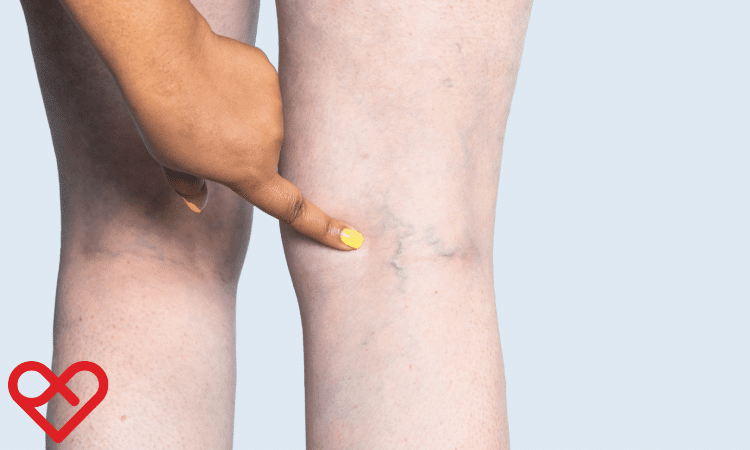
How to Identify Varicose Vein Symptoms and Dangerous Warning Signs
Recognizing the early symptoms of varicose veins allows individuals to seek treatment before the condition worsens. Many patients ignore early signs because the discomfort may come and go, but persistent or recurring symptoms signal disruption in venous function. Identifying dangerous warning signs is just as important because they may indicate complications that require urgent medical attention.
A careful clinical assessment typically examines the severity of visible veins, skin condition, circulation quality, and the presence of swelling. Physicians in Oman have access to modern diagnostic tools, such as duplex ultrasound, which helps evaluate the structure and blood flow of leg veins in detail.
The sections below break down the symptoms, warning signs, and risk factors while explaining how Varicose vein treatment in Oman addresses them safely and effectively.
Common Symptoms of Varicose Veins
Common symptoms usually begin gradually. Patients may first notice mild aching after a long day of standing. This discomfort often worsens in warm temperatures, as heat causes veins to expand. The sensation of heaviness in the legs is another early sign, reflecting the difficulty veins face while pushing blood upward.
Swelling around the ankles, especially by evening, is one of the most recognizable symptoms. Some individuals feel throbbing or burning sensations along the affected vein. Visible signs, such as twisted or bulging veins and altered skin pigmentation, appear as the condition progresses.
The presence of these symptoms indicates that the veins are unable to function properly. Addressing them early with Varicose vein treatment in Oman helps restore normal circulation and prevents worsening discomfort.
Warning and Dangerous Signs
Certain symptoms indicate that the varicose condition is progressing into a more serious stage. One dangerous sign is sudden, sharp pain along a vein accompanied by redness or hardness, which may signal inflammation or the formation of a clot. If the skin around the ankle becomes dark, dry, or itchy, it suggests chronic venous insufficiency.
Open wounds or ulcers near the ankle are among the most severe complications and require immediate medical attention. Another urgent warning sign is spontaneous bleeding from a superficial vein, which can occur when fragile varicose veins are injured.
Urgent evaluation is essential when these signs appear because early intervention significantly reduces the risk of long-term complications.
Risk Factors for Varicose Veins
Risk factors help determine whether a patient is more likely to develop the condition. Genetics is the strongest risk factor; if a parent has varicose veins, the likelihood increases substantially.
Lifestyle factors, such as prolonged sitting, standing, or heavy lifting, also play major roles. Women experience higher risk due to hormonal influences, pregnancy, and use of certain medications. Overweight individuals carry additional strain on their veins, contributing to vein dilation.
While risk factors do not guarantee that varicose veins will occur, awareness allows individuals to adopt healthier habits and seek preventive care early.
?When Should You Visit a Doctor
Many people delay treatment because they assume varicose veins are only a cosmetic issue. However, medical professionals recommend seeking evaluation if leg pain becomes persistent, swelling does not improve, or visible veins continue to enlarge.
Any of the dangerous warning signs—including skin changes, inflammation, or bleeding—should prompt immediate consultation. Early diagnosis opens the door to minimally invasive solutions, which are far more effective and comfortable than traditional surgical approaches.
Modern Varicose vein treatment in Oman offers options tailored for every stage of the condition, making early visits highly beneficial for long-term health.
Potential Complications if Varicose Veins Are Ignored
Ignoring varicose veins allows the condition to progress silently until complications develop. These complications can significantly affect mobility, comfort, and overall health. While not every patient will face severe problems, the risk increases with time, especially in hot climates where veins are naturally under more pressure.
Chronic venous insufficiency occurs when poorly functioning veins damage the surrounding tissues. Over time, the skin becomes darker, harder, and more fragile. This condition is not reversible and requires continuous management. Another complication is ulcer formation, particularly around the ankles. These ulcers heal slowly and may recur unless the underlying venous problem is treated.
Blood clot formation is another serious risk. Superficial thrombophlebitis creates painful, inflamed veins, while deep vein thrombosis (DVT) can be life-threatening if a clot travels to the lungs. Untreated varicose veins are also prone to spontaneous bleeding due to their proximity to the skin surface.
:The table below summarizes key complications
| Complication | Description | Severity | Requires Treatment |
|---|---|---|---|
| Chronic Venous Insufficiency | Long-term damage to vein function and skin | High | Yes |
| Venous Ulcers | Open wounds near the ankle | Very High | Urgent Care |
| Superficial Thrombophlebitis | Painful inflammation of surface veins | Medium to High | Yes |
| Deep Vein Thrombosis | Blood clot in deep veins | Critical | Emergency |
| Spontaneous Bleeding | Rupture of weakened varicose veins | High | Immediate Attention |
These complications demonstrate why early Varicose vein treatment in Oman plays a crucial role in preventing serious health risks.
Comprehensive Guide to Choosing the Best Varicose Vein Treatments in Oman
Selecting the most effective treatment for varicose veins depends on the severity of the condition, the patient’s symptoms, age, lifestyle, and whether complications have already developed. In Oman, access to modern vascular medicine has expanded significantly, meaning patients no longer need to travel abroad for advanced procedures. Instead, they can receive high-quality care using minimally invasive methods that offer excellent long-term results. Understanding the available options is the first step toward choosing the correct treatment. This comprehensive guide breaks down the most effective approaches, beginning with non-surgical procedures widely used in Oman today and followed by practical lifestyle strategies that complement clinical treatment.

Non-Surgical Treatments
Non-surgical treatments have become the preferred choice for most patients because they do not require hospitalization, involve minimal discomfort, and provide fast recovery. These procedures target the malfunctioning veins directly, closing or shrinking them so blood naturally reroutes to healthier veins. Each method offers its own benefits, and selecting the right one depends on ultrasound findings and the physician’s evaluation. Below are the most widely used non-surgical treatments in Oman.
Laser Treatment (EVLT) – 3–5 sentences + advantages
Endovenous Laser Treatment (EVLT) is one of the most advanced and reliable techniques for treating medium to large varicose veins. During the procedure, a fine laser fiber is inserted into the affected vein, delivering controlled heat that causes the vein to collapse and seal shut. EVLT is performed under local anesthesia, allowing patients to walk immediately after the session. It is highly precise and has an exceptional success rate with minimal recurrence. Advantages: No surgical cuts, very short downtime, high long-term effectiveness, excellent cosmetic outcome, suitable for major saphenous vein reflux.
Radiofrequency Ablation (RFA) – 3–5 sentences + advantages
Radiofrequency Ablation (RFA) works by delivering radiofrequency waves through a thin catheter to gently heat and close the diseased vein. The thermal energy collapses the vein walls with remarkable consistency, making RFA particularly effective for patients seeking minimal discomfort during and after treatment. Many vascular specialists in Oman prefer RFA for its smooth recovery profile and low pain score. Patients typically resume normal activities within hours of the procedure. Advantages: Very low pain level, minimal bruising, predictable results, quick recovery, excellent for patients with sensitive veins.
Sclerotherapy (Injection Treatment) – 3–5 sentences + advantages
Sclerotherapy is a widely used injection technique suitable for small varicose veins and spider veins. A medical-grade solution is injected directly into the vein, causing it to close and gradually fade over time. It is a simple outpatient procedure that requires no anesthesia and is ideal for improving the cosmetic appearance of the legs. Multiple sessions may be recommended depending on the number and size of the veins. Advantages: No anesthesia needed, fast procedure, excellent for small veins, improves skin appearance, minimal downtime.
Home Remedies / Lifestyle Tips
Lifestyle adjustments play a crucial role in reducing symptoms, preventing progression, and supporting the effectiveness of clinical treatments. Patients in Oman, where high temperatures and long standing hours are common, benefit greatly from maintaining regular leg movement, avoiding prolonged immobility, and elevating the legs when resting. Wearing medically approved compression stockings can improve blood flow, though they cannot cure varicose veins; their purpose is to slow progression and support circulation.
Hydration, weight control, and moderate exercise such as walking or swimming significantly improve venous return. Diet also plays a role—foods rich in fiber, antioxidants, and potassium reduce inflammation and swelling. While these remedies do not replace Varicose vein treatment in Oman, they form a valuable complementary routine that enhances overall vascular health and provides daily comfort.
Treating Different Types of Varicose Veins in Oman
Varicose veins do not present in the same way for every patient. Different types require different treatment approaches depending on size, depth, severity, and associated complications. In Oman, vascular specialists typically categorize varicose veins based on ultrasound findings to ensure the patient receives the most appropriate and effective treatment. The table below summarizes the six most common types of varicose veins, their recommended treatment options, and a brief description of each condition.
Types of Varicose Veins and Recommended Treatments
| Type of Varicose Vein | Recommended Treatment Method | Description |
|---|---|---|
| Great Saphenous Vein Reflux | EVLT or RFA | A major vein running from the ankle to the groin; reflux causes significant symptoms and requires endovenous closure. |
| Small Saphenous Vein Reflux | EVLT, RFA | Located at the back of the leg; commonly associated with ankle swelling and calf discomfort. |
| Reticular Veins | Sclerotherapy | Medium-sized blue veins beneath the skin’s surface; often cosmetic but can cause aching. |
| Spider Veins (Telangiectasia) | Sclerotherapy | Thin red or blue surface veins; non-dangerous but aesthetically bothersome. |
| Perforator Vein Incompetence | EVLT, RFA, Foam Sclerotherapy | Faulty perforator veins allow backward blood flow between deep and superficial systems, often causing skin discoloration. |
| Bulging Varicose Veins | EVLT + Phlebectomy | Large visible veins requiring both endovenous closure and removal through tiny, non-surgical incisions. |
Benefits of Modern and Minimally Invasive Varicose Vein Treatments in Oman
Modern varicose vein treatments in Oman offer significant advantages compared to traditional surgical stripping, which often required general anesthesia, overnight hospitalization, and lengthy recovery. Today, patients have access to advanced procedures such as EVLT, RFA, and sclerotherapy—each designed to treat venous insufficiency with minimal trauma and maximum precision. The benefits extend far beyond cosmetic improvement; these methods restore natural circulation, reduce long-term discomfort, and prevent complications that can impair mobility.
One of the most important benefits is the remarkably short recovery time. Patients usually walk immediately after the procedure and return to daily activities within hours or the following day. These minimally invasive treatments also reduce the risk of infection, scarring, and postoperative complications, making them ideal for the climate and lifestyle of Oman. Another key advantage is their precision; ultrasound guidance ensures that only the diseased vein is targeted, preserving healthy veins and supporting long-term vascular function.
For patients seeking Varicose vein treatment in Oman, modern therapies provide a safe, effective, and comfortable pathway to improved health. They combine medical innovation with patient-centered care, offering lasting relief without the need for hospital stays or long recovery periods.
Introducing Dr. Abdulwahab Baradaran, Specialist in Varicose Vein Treatment in Oman
Dr. Abdulwahab Baradaran is recognized as one of the leading specialists in Varicose vein treatment in Oman, known for his exceptional skills in ultrasound-guided diagnosis and minimally invasive procedures. With extensive experience in vascular medicine, he has helped thousands of patients overcome chronic venous insufficiency, leg pain, swelling, and advanced venous complications. His approach combines scientific precision with compassionate care, ensuring that every patient receives a tailored treatment plan based on detailed diagnostic imaging.
Patients trust Dr. Baradaran not only for his technical expertise but also for his ability to explain each condition clearly and recommend the safest, most modern solution. He is highly skilled in EVLT, RFA, and advanced sclerotherapy, allowing him to manage everything from mild spider veins to severe reflux conditions requiring multilayered treatment. His commitment to excellence makes him a preferred choice for those seeking reliable and effective Varicose vein treatment in Oman.
Trusted Centers for Varicose Vein Treatment in Oman and Why Varicose Clinic Is the Best Choice
Finding a clinic that offers modern technology, trained specialists, and safe medical protocols is essential for achieving the best results. In Oman, several centers provide venous treatments, but a few stand out due to their combination of experience, advanced equipment, and patient-focused care. Among them, Varicose Clinic has gained recognition as a leading center dedicated exclusively to venous diseases.
The clinic’s environment is designed to provide comfort, privacy, and efficient care. With state-of-the-art ultrasound machines, minimally invasive equipment, and a team of trained vascular specialists, Varicose Clinic stands at the forefront of Varicose vein treatment in Oman. Their goal is to ensure long-term vein health through accurate diagnosis and personalized treatment plans for every patient.

?Why Choose Varicose Clinic
Varicose Clinic is distinguished by its exclusive focus on venous disorders, which allows the medical team to provide highly specialized treatment. Unlike general clinics, its services are tailored specifically for vascular patients, ensuring precise diagnosis using advanced duplex ultrasound technology. Each patient receives an individualized treatment plan designed around their unique vein structure, symptoms, and health history.
Another reason patients prefer Varicose Clinic is the level of comfort provided during and after treatment. The procedures are quick, nearly painless, and require no hospitalization. Patients also benefit from detailed follow-up care, ensuring long-term success and reduced risk of recurrence. For individuals searching for the safest and most effective Varicose vein treatment in Oman, Varicose Clinic offers unmatched reliability, expertise, and patient satisfaction.
Four Key Tips for Post-Treatment Care and Prevention of Varicose Veins
Proper post-treatment care plays a crucial role in ensuring a smooth recovery and preventing the recurrence of varicose veins. Patients are encouraged to stay active following minimally invasive procedures, as walking improves circulation and reduces postoperative discomfort. Avoiding prolonged sitting or standing helps the veins adapt to new blood flow patterns, reducing pressure on healing tissues.
Wearing compression stockings is another essential step recommended by vascular specialists. These stockings support venous return and reduce swelling, especially during the first few weeks after treatment. Maintaining a healthy lifestyle is equally important. Staying hydrated, exercising regularly, and managing body weight contribute to long-term vascular health.
Finally, regular follow-up appointments ensure that the treated veins remain closed and that no new problem areas develop. Consistent monitoring allows early detection and management of any changes, supporting the long-term success of Varicose vein treatment in Oman.
Conclusion
Varicose vein treatment in Oman has transformed significantly, offering patients access to world-class medical technologies and specialists who achieve excellent results with minimally invasive methods. From early diagnosis to advanced procedures such as EVLT, RFA, and sclerotherapy, patients now benefit from safe, efficient, and highly effective treatment options. Modern techniques reduce discomfort, shorten recovery time, and help prevent long-term complications like ulcers, chronic venous insufficiency, and clot formation.
Under the care of leading specialists such as Dr. Abdulwahab Baradaran and with trusted centers like Varicose Clinic delivering dedicated vascular care, individuals in Oman have access to comprehensive solutions that restore confidence, mobility, and comfort. Patients who take early action not only improve their quality of life but also ensure long-term protection for their vascular health.
Varicose vein treatment in Oman is more than a cosmetic choice—it is an essential medical decision that prevents disease progression and enhances everyday living. With modern approaches, expert physicians, and continued follow-up, achieving healthy legs becomes both achievable and sustainable.